
Lawn Care in Oxford for Healthier, Stronger Grass
- Regular mowing adjusted to season and grass condition
- Lawn feeding and basic treatments for better growth
- Fixing patchy, thin, or uneven grass areas
- Suitable for homes, rentals, and family gardens
Lawn care in Oxford often involves more than just cutting the grass, especially with the mix of shaded gardens, compacted soil, and changing weather conditions. With My Gardeners Oxford, the focus is on improving how the lawn grows over time rather than just maintaining its appearance. This is particularly important in areas where grass struggles due to limited sunlight or heavy use. We often work on lawns that look uneven or thin, not because they’ve been neglected, but because they haven’t been maintained in a way that suits the conditions. A recent job in Marston involved a lawn that had been cut too short for months, which weakened the grass and led to patchy growth until the cutting height and routine were adjusted. Soil condition, drainage, and usage all affect how well a lawn responds to care. The aim is to build a lawn that becomes thicker, more even, and easier to maintain over time.
How Lawn Care Works in Oxford Gardens
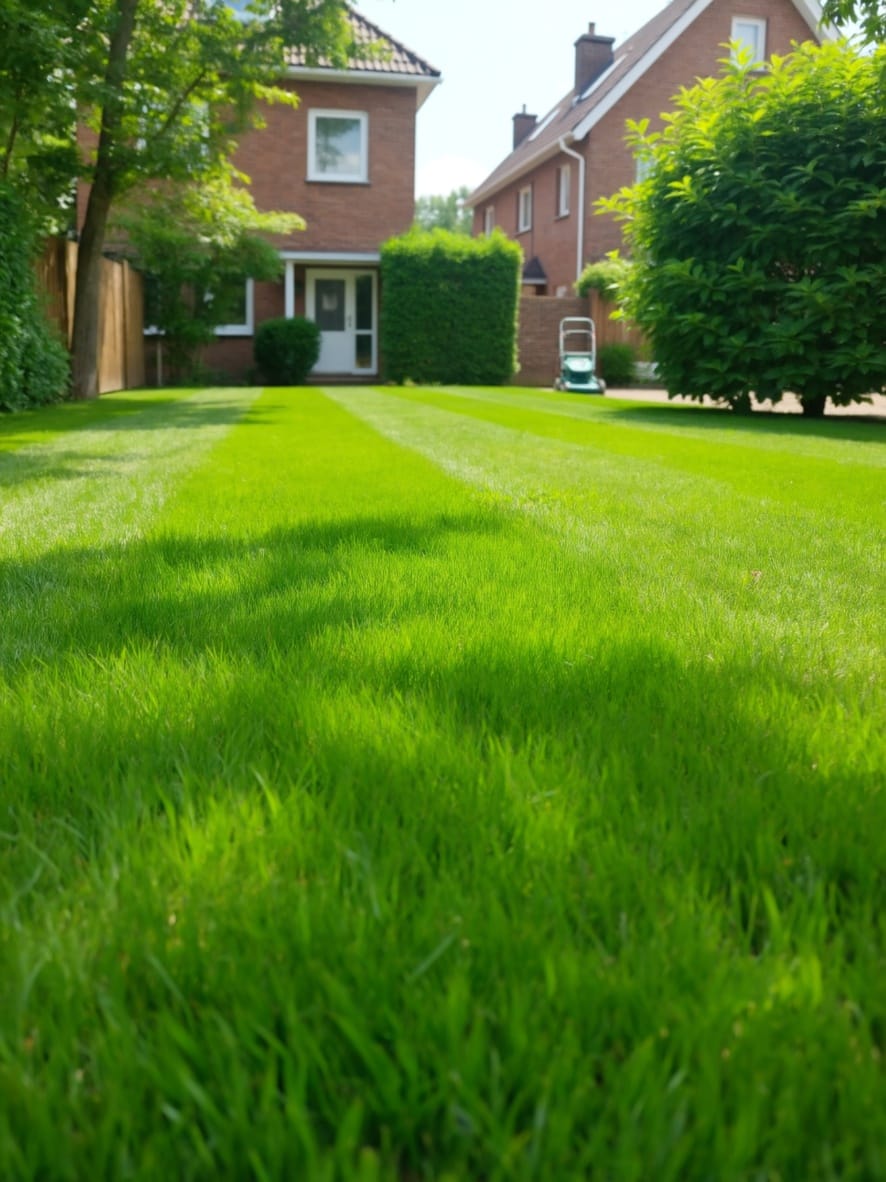
Lawn care in Oxford is often about correcting small habits that build up over time rather than dealing with one major issue. Many lawns don’t fail because they’ve been completely neglected, but because they’ve been cut too short, watered inconsistently, or simply not maintained in a way that suits the conditions of the garden.
One of the main challenges in Oxford is shade. With a lot of properties surrounded by buildings, fences, or trees, grass doesn’t always get even sunlight. This leads to uneven growth, where some areas stay thick while others become thin or patchy. Cutting everything the same way doesn’t always work in these cases, which is why mowing height and frequency often need to be adjusted.
Soil condition is another important factor. In some gardens, especially newer developments, the soil can be compacted or low in nutrients. This makes it harder for grass to establish properly, even if it’s being cut regularly. Simply mowing the lawn won’t solve that — it needs a combination of feeding, aeration, and consistent care to improve over time.
A recent lawn care job in Headington showed how these factors come together. The lawn looked uneven, with certain areas struggling to grow. Instead of cutting it shorter to “even it out,” the approach was to raise the mowing height and reduce stress on the weaker sections. Over a few visits, the grass started to thicken and balance out naturally.
Weather also plays a role. During dry periods, lawns can become stressed if they’re cut too low, while wet conditions can make mowing difficult without damaging the surface. Timing the work properly makes a big difference to how the lawn responds.
Another point people often underestimate is foot traffic. Gardens that are used regularly, especially by families or tenants, tend to develop worn areas where grass struggles to recover. These spots may need extra attention to improve.
Most lawn care improvements take time. It’s not something that changes instantly in one visit, but with consistent maintenance, the results become more noticeable with each visit.
With My Gardeners Oxford, the aim is to work with the conditions of each garden and gradually improve how the lawn grows and looks over time.
What Our Customers Say About My Gardeners Oxford


“Reliable and straightforward. They turn up, get on with the job, and the garden stays in good shape between visits.”
“I tried doing it myself but couldn’t keep up. Since they’ve been coming regularly, it’s a lot less stressful and the garden actually looks consistent.”
“The hedges had been badly trimmed before and needed sorting properly. Took a bit more time, but now they’re much easier to maintain.”
“Had issues with uneven grass and messy edges. They adjusted how it was cut and it’s improved more than I expected over a few visits.”
“Booked them after letting the garden get out of hand over winter. They didn’t rush it, just worked through everything properly. It already looked more manageable after the first visit.”
“I needed a quick tidy-up before new tenants moved in. They understood exactly what was needed — not overdone, just clean and presentable.”
What Affects Lawn Condition Over Time
Even with regular care, lawns don’t always improve at the same pace, especially in Oxford where conditions can vary quite a bit from one garden to another. Understanding what affects the lawn over time helps set realistic expectations and avoid repeating the same problems.
One of the main factors is how the lawn has been maintained previously. If it’s been cut too short for a long period, the grass becomes weaker and less able to recover. It might look neat immediately after cutting, but over time it leads to thinner coverage and more visible patches. Reversing that takes patience, as the grass needs time to regrow and strengthen.
Soil compaction is another common issue. In gardens that are used frequently, the ground becomes firm, which limits how well water and nutrients reach the roots. This often results in areas where grass struggles to grow, even with regular mowing. A recent job in Cowley involved a lawn where the centre had become compacted due to constant foot traffic, while the edges were growing more freely. Adjusting the care routine and reducing stress on the worn areas helped improve the overall balance.
Weeds also tend to appear when the lawn isn’t growing strongly enough to compete. They take advantage of weaker patches and can spread quickly if not managed early. Simply removing them without improving the condition of the grass usually means they’ll return again.
Seasonal changes play a role as well. During colder months, growth slows down, while in warmer periods it can speed up unevenly. This means the approach to lawn care needs to change throughout the year rather than staying the same.
It’s also important to recognise the limits of basic lawn care. If the soil is poor or the lawn has been heavily damaged, additional work like reseeding or treatment may be needed to achieve better results.
With My Gardeners Oxford, the focus is on understanding these conditions and adjusting the care to suit the garden, rather than applying the same routine everywhere.
Building a Healthier Lawn Over Time
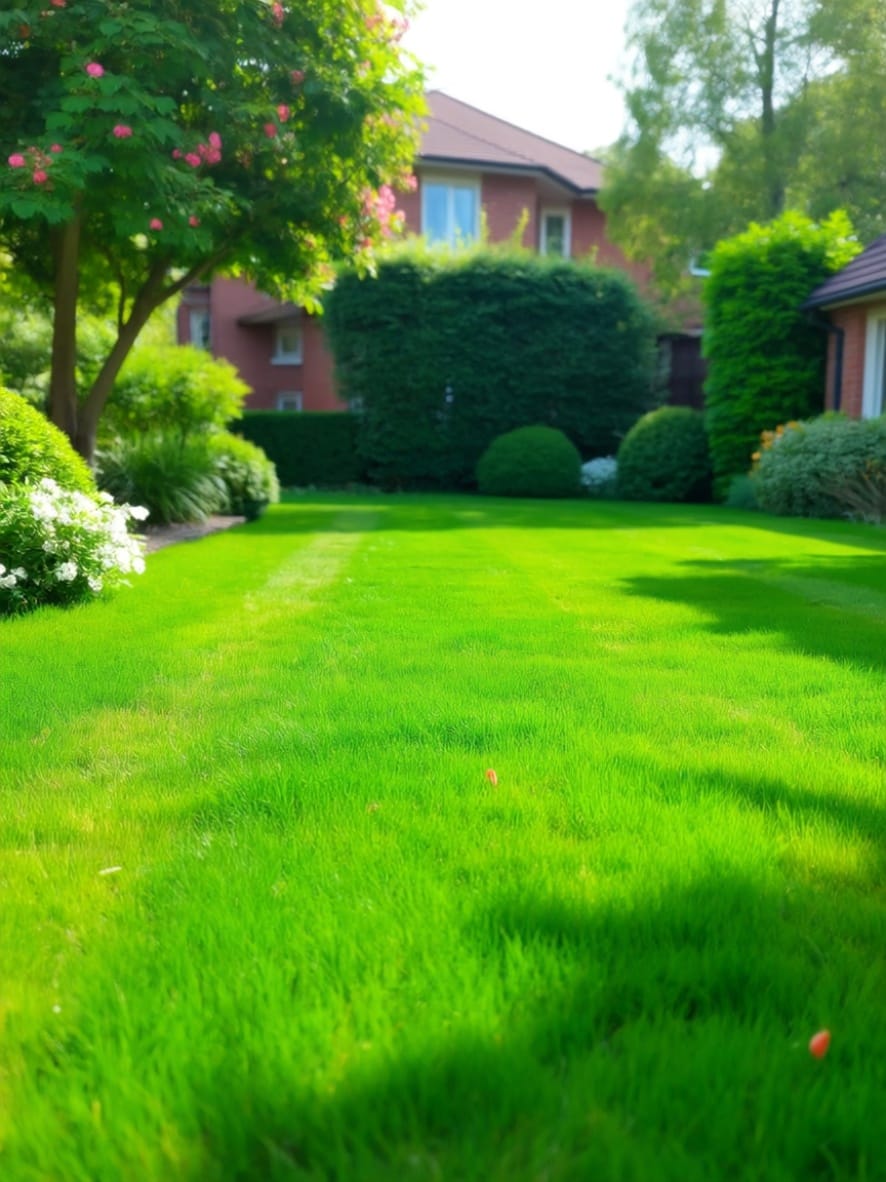
A good lawn doesn’t come from one-off work — it develops gradually through consistent care that matches the conditions of the garden. In Oxford, where many lawns deal with shade, uneven soil, or regular use, improving grass quality is often about small adjustments rather than major changes.
One of the key principles is balance. Grass needs the right combination of cutting, nutrients, and recovery time to grow properly. If one of these is off — for example, mowing too often or too short — the lawn can start to weaken without it being immediately obvious. Over time, this leads to thinner coverage and more visible patches.
Feeding plays an important role, but it needs to be done carefully. Applying nutrients at the wrong time or in the wrong amount can have little effect, or even cause uneven growth. In many Oxford gardens, a simple feeding routine combined with proper mowing is enough to gradually improve thickness and colour without overcomplicating things.
Another factor is airflow and light. Lawns surrounded by fences, hedges, or buildings can struggle because air movement is limited and moisture stays on the surface longer. This creates conditions where moss or weaker grass can take hold. Trimming surrounding growth slightly or adjusting maintenance can help improve these conditions over time.
A practical example from a job in Summertown showed how these small changes work together. The lawn wasn’t in poor condition, but it lacked consistency. By adjusting the mowing height, spacing out cuts, and improving the surrounding edges, the grass became more even without needing major intervention.
It’s also important to understand that results are not instant. Grass responds gradually, and improvements become more noticeable over several visits rather than after a single session. This is especially true in gardens where the lawn has been under stress for a long time.
With My Gardeners Oxford, lawn care is approached as an ongoing process, focused on building a stronger, more stable lawn that holds up better throughout the seasons.
Frequently Asked Questions
Explore Our Garden Services in Oxford

Christmas Tree Delivery
Christmas Tree Delivery
Christmas Tree Delivery: Supplying and delivering fresh Christmas trees directly to your home, ready to be set up and enjoyed without the hassle of transport. Read more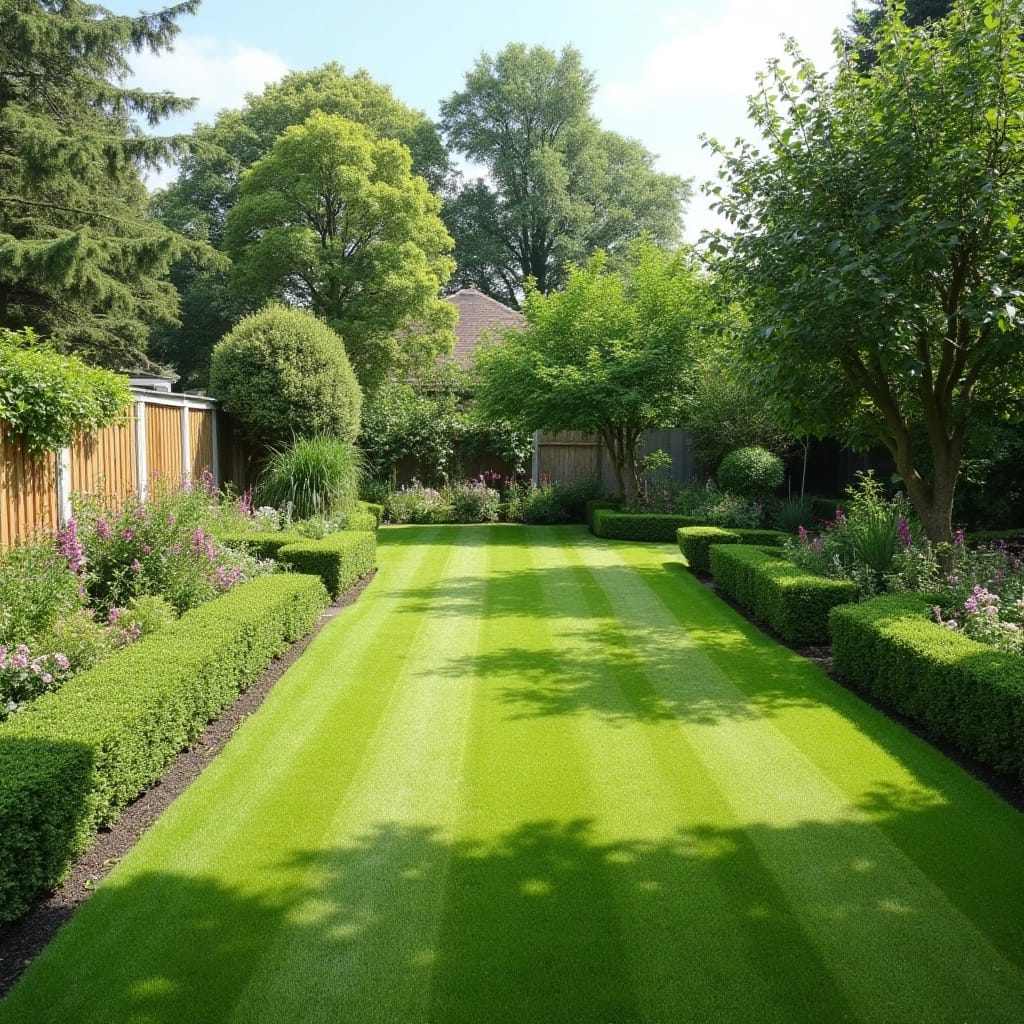
Garden Maintenance
Garden Maintenance
Garden Maintenance: Regular care to keep lawns, hedges, and plants tidy, healthy, and under control throughout the seasons. Read more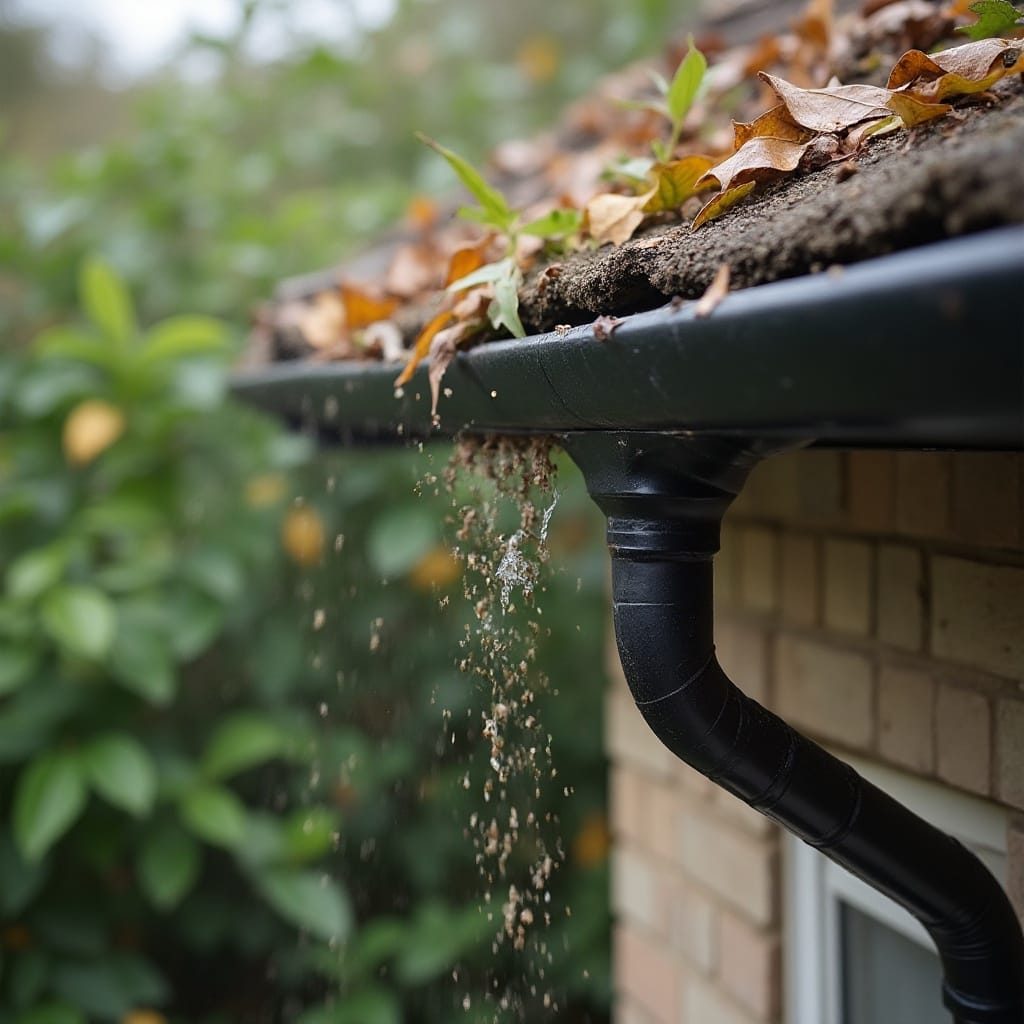
Gutter Cleaning
Gutter Cleaning
Gutter Cleaning: Clearing blocked gutters and downpipes to prevent water overflow, damp issues, and damage to walls or foundations. Read more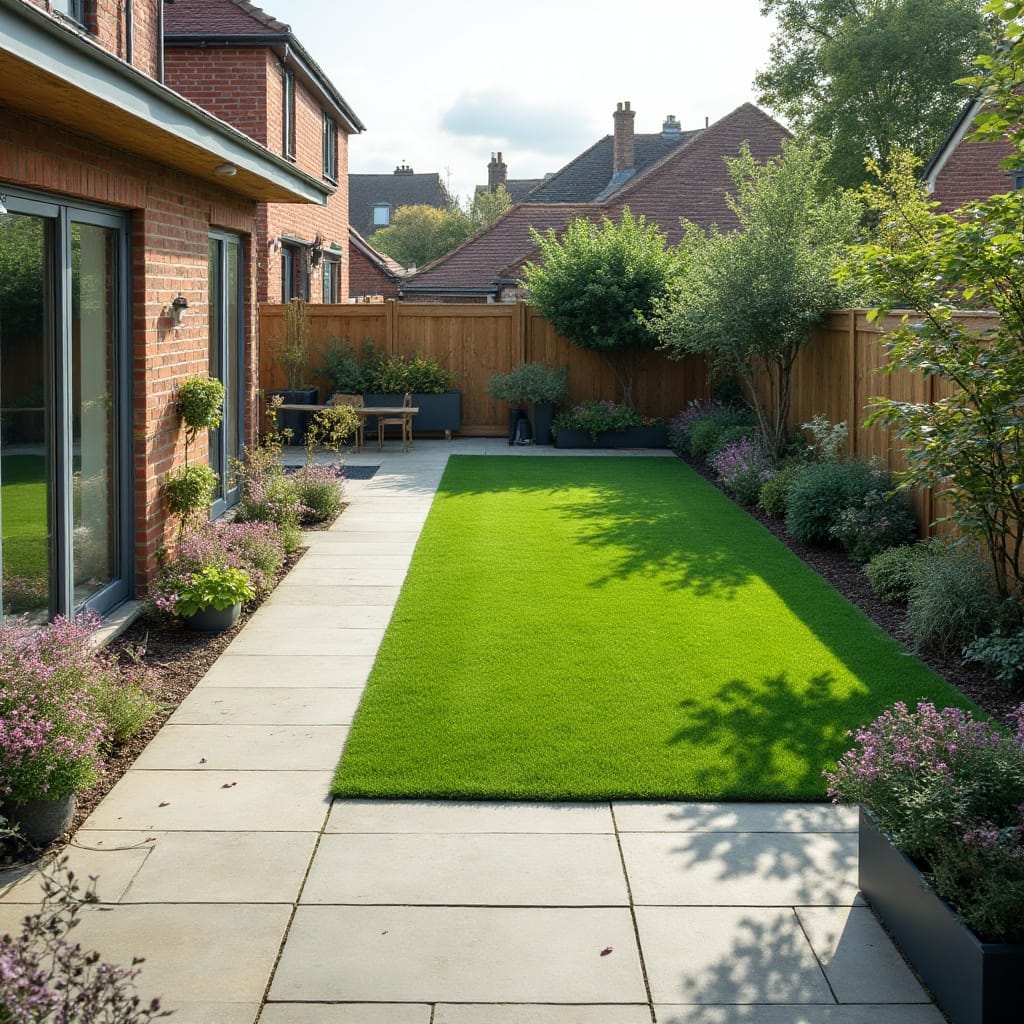
Landscaping
Landscaping
Landscaping: Reshaping and improving your garden layout with practical changes that make the space more usable, structured, and easier to maintain. Read more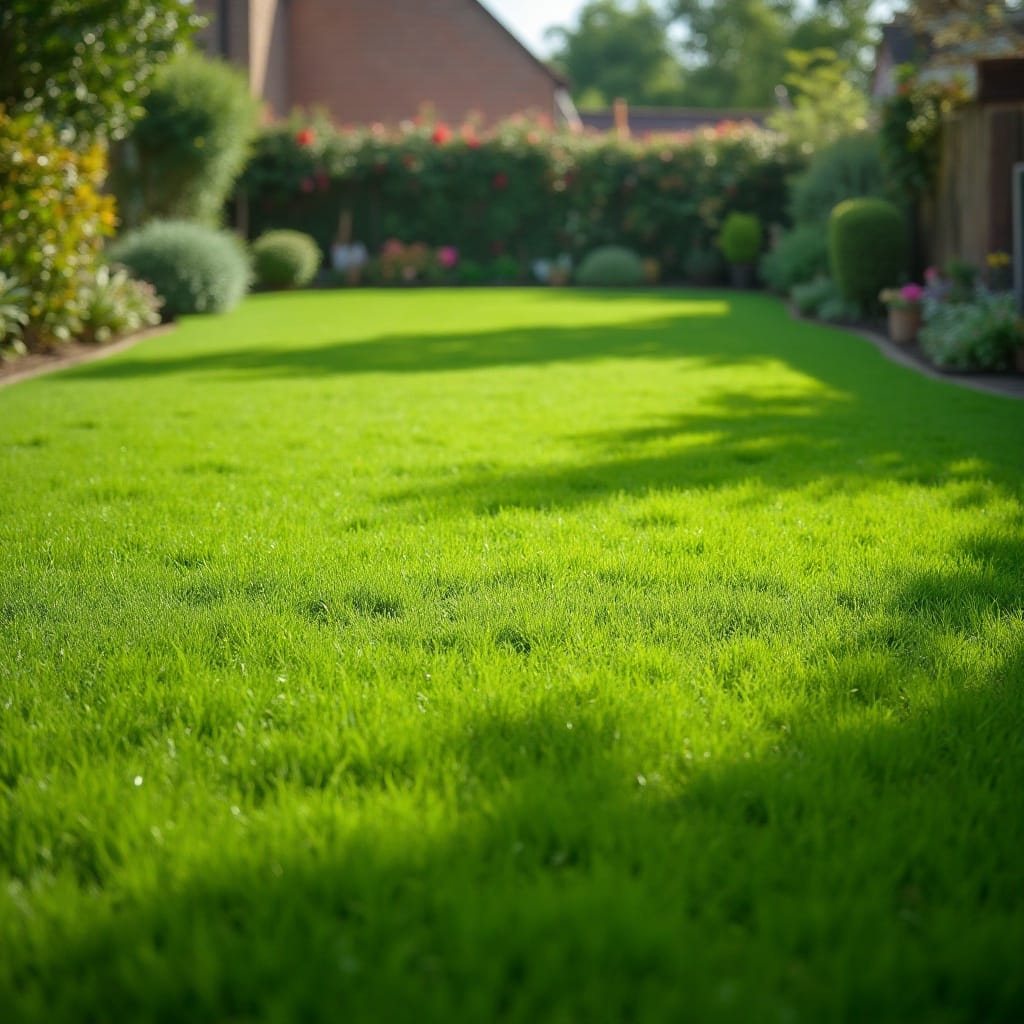
Lawn Care
Lawn Care
Lawn Care: Improving grass condition through proper mowing, feeding, and treatment to achieve thicker, healthier, and more even growth over time. Read more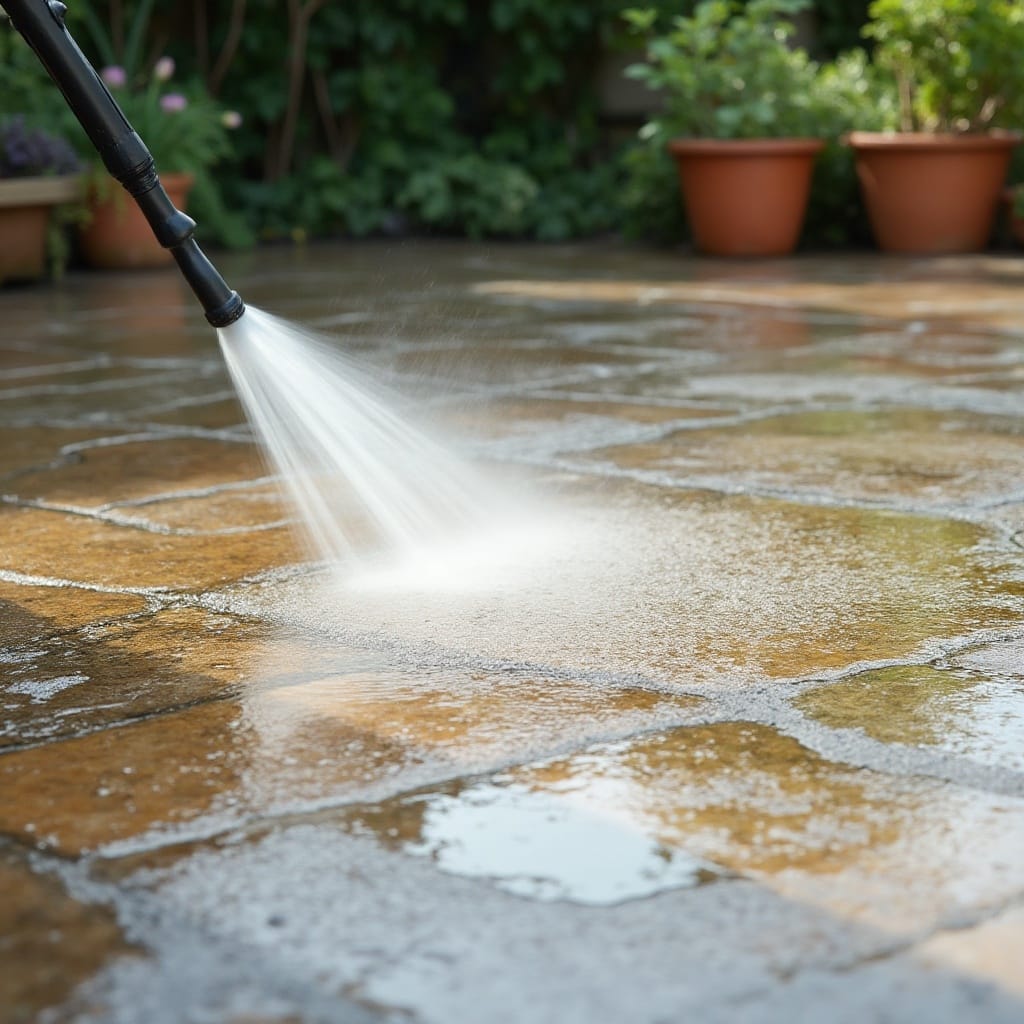
Pressure Cleaning
Pressure Cleaning
Pressure Cleaning: Removing built-up dirt, algae, and grime from patios, driveways, and outdoor surfaces to restore a clean and safe finish. Read more
Tree Surgery
Tree Surgery
Tree Surgery: Safe cutting, pruning, and removal of trees to manage growth, reduce risk, and keep outdoor spaces secure and well-balanced. Read moreFind the Oxford Areas We Serve
Practical Lawn Care Tips for Better Results
Keeping a lawn in good condition in Oxford comes down to doing a few things consistently rather than trying to fix everything at once. One of the most important tips is to avoid cutting the grass too short. It might seem like it will stay tidy for longer, but it actually weakens the lawn and makes it more prone to drying out and becoming patchy.
Adjusting the mowing height depending on the season makes a noticeable difference. During warmer or drier periods, leaving the grass slightly longer helps protect the roots and retain moisture. In cooler months, it can be cut a bit shorter, but still not too aggressively. This balance helps maintain healthier growth throughout the year.
Another useful tip is to vary your mowing pattern. Cutting the grass in the same direction every time can cause it to lean and grow unevenly. Changing direction occasionally helps the grass stand more upright and improves the overall look of the lawn.
Dealing with edges regularly is also important. Grass tends to spread into borders and pathways if left unchecked, which makes the lawn look untidy even if it’s been freshly cut. Keeping edges defined takes little time but improves the overall appearance significantly.
If you notice areas that are struggling, try to identify the cause rather than just cutting them again. It could be shade, compacted soil, or heavy use. A recent job in Headington showed this clearly, where one section of lawn wasn’t improving simply because it was being walked over frequently. Adjusting how that area was used helped it recover.
Finally, avoid making too many changes at once. Lawn improvement works best when small adjustments are made consistently over time. With regular care and attention to these details, the lawn becomes easier to maintain and looks more even throughout the seasons.