
Landscaping in Oxford to Improve How Your Garden Works
- Reshaping garden layouts for better use of space
- New turf, planting, and defined garden areas
- Practical paving and patio improvements
- Suitable for homes, landlords, and outdoor upgrades
Landscaping in Oxford is often about making the space more practical rather than completely redesigning it from scratch. With My Gardeners Oxford, the focus is on improving how your garden is used, whether that means creating clearer areas, replacing worn-out lawns, or making access easier. This is especially important in Oxford properties where space can be limited or uneven, and small changes can make a big difference in how the garden feels. We often work on gardens where the layout doesn’t quite work — for example, lawns that are difficult to maintain or areas that become muddy and unusable. A recent job in Summertown involved replacing a worn lawn with fresh turf and redefining the edges to create a cleaner, more structured space. Ground conditions, drainage, and access all affect how the work is planned and carried out. The aim is to create a garden that not only looks better, but is also easier to manage over time.
How Landscaping Works in Oxford Gardens
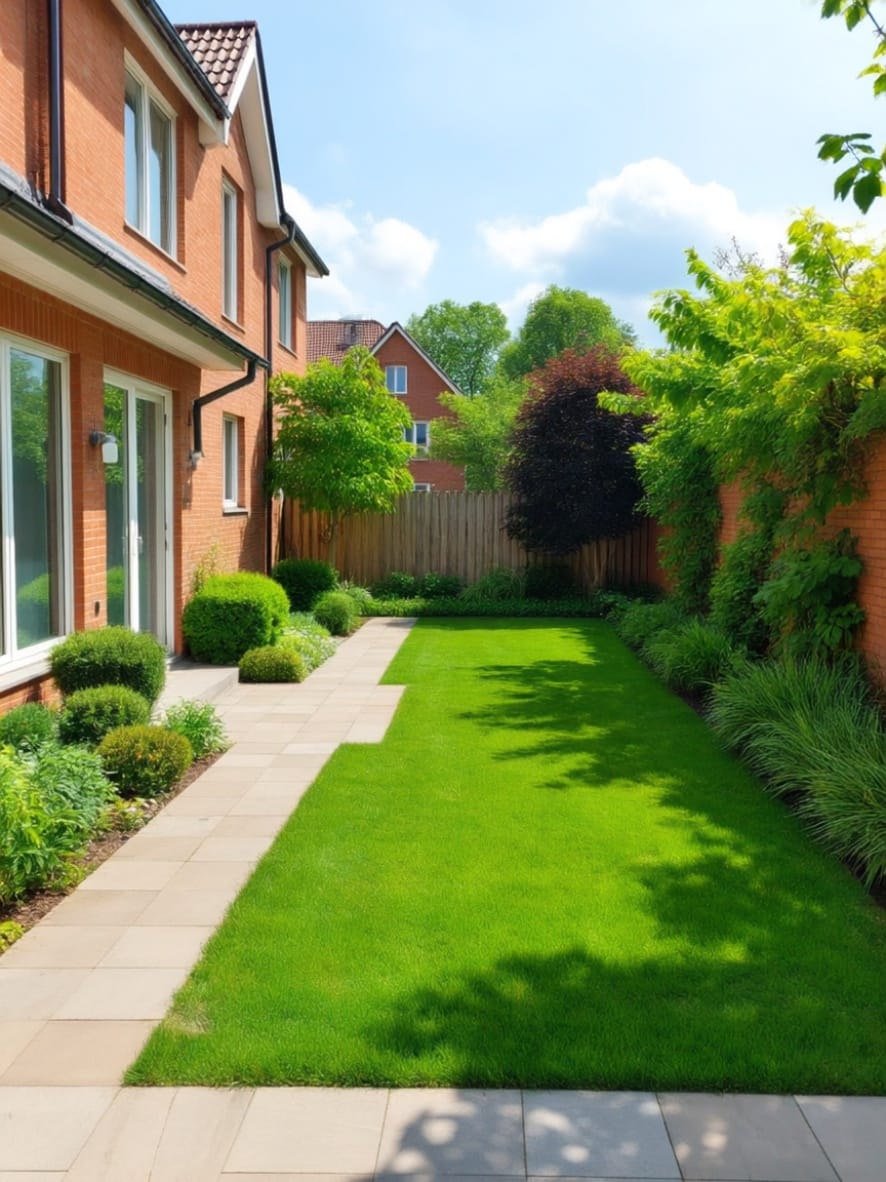
Landscaping in Oxford is rarely about starting from scratch — in most cases, it’s about improving what’s already there and making the space easier to use. Many gardens already have the basic elements in place, such as lawns, patios, or planting areas, but over time they become uneven, difficult to maintain, or simply not practical for how the space is used.
One of the most common issues is layout. In smaller Oxford gardens, especially around terraced houses, space needs to be used carefully. Lawns can end up too narrow to maintain properly, or patios may not be positioned in a way that makes the garden feel usable. Instead of removing everything, landscaping often involves adjusting these elements so they work better together.
Ground conditions also play a big role. In some areas, soil can be compacted or uneven, which affects how well grass grows or how stable paving is over time. Simply laying new turf or slabs without addressing the base often leads to problems later. That’s why preparation is a key part of the process, even if it’s not always visible once the job is finished.
A recent landscaping job in Headington involved a garden where the lawn had become worn and patchy due to poor drainage and uneven ground. Instead of just replacing the turf, the ground was levelled and improved first, which made a noticeable difference in how the new lawn settled and grew.
Another factor is how the garden will be used. Some households need a space that’s easy to maintain with minimal effort, while others want defined areas for seating or planting. Landscaping needs to reflect this, otherwise the same issues tend to return over time.
Access is also something that affects the work. In many Oxford properties, especially older ones, materials have to be carried through the house or along narrow paths, which can influence both timing and how the project is carried out.
With My Gardeners Oxford, landscaping is approached in a practical way — focusing on making the garden more usable, stable, and easier to maintain, rather than just changing how it looks.
What Our Customers Say About My Gardeners Oxford


“Reliable and straightforward. They turn up, get on with the job, and the garden stays in good shape between visits.”
“I tried doing it myself but couldn’t keep up. Since they’ve been coming regularly, it’s a lot less stressful and the garden actually looks consistent.”
“The hedges had been badly trimmed before and needed sorting properly. Took a bit more time, but now they’re much easier to maintain.”
“Had issues with uneven grass and messy edges. They adjusted how it was cut and it’s improved more than I expected over a few visits.”
“Booked them after letting the garden get out of hand over winter. They didn’t rush it, just worked through everything properly. It already looked more manageable after the first visit.”
“I needed a quick tidy-up before new tenants moved in. They understood exactly what was needed — not overdone, just clean and presentable.”
What Affects Landscaping Results Over Time
Landscaping doesn’t end once the work is completed — how the garden performs over time depends on several factors that are often underestimated. In Oxford, the combination of weather, soil conditions, and how the space is used can all influence how well the changes hold up.
One of the main factors is drainage. Even a well-laid lawn or patio can start to struggle if water doesn’t drain properly. In some Oxford gardens, especially those with heavy or compacted soil, water tends to sit on the surface rather than soak in. This can lead to patchy grass, muddy areas, or movement in paving over time. Addressing drainage during the initial work makes a noticeable difference, but it’s something that continues to affect the space long after the job is finished.
Usage is another key point. Gardens that are used regularly, particularly by families or tenants, wear differently compared to those that are mostly decorative. Lawns can become compacted, edges can lose definition, and high-traffic areas may need occasional adjustment to stay in good condition. A recent job in Cowley involved a newly landscaped garden where a small section near the patio started to wear more quickly due to regular use. Adding a simple stepping area helped protect the lawn and made the space more practical.
Plant growth also needs to be considered. Shrubs and plants that look well-spaced at the time of planting can quickly fill out, which changes how the garden feels and functions. Without occasional trimming or adjustment, areas can become overcrowded again, undoing some of the original improvements.
It’s also important to be realistic about limitations. Landscaping can improve layout, usability, and overall appearance, but it won’t completely remove underlying issues like poor soil quality without additional treatments. In some cases, follow-up work such as lawn care or soil improvement may be needed to get the best long-term results.
With My Gardeners Oxford, the goal is to create landscaping that holds up over time, not just something that looks good immediately after completion.
Recent Landscaping Job in Oxford
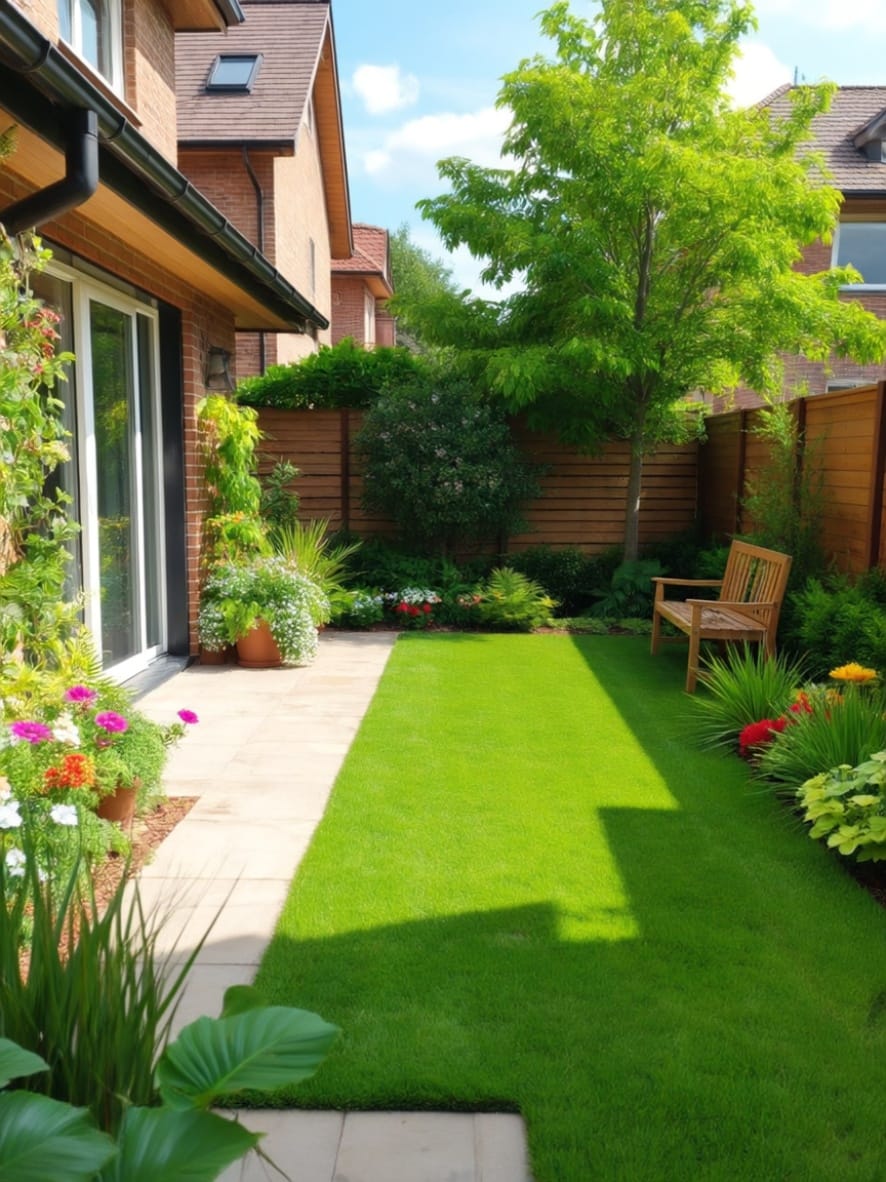
A recent landscaping project completed by My Gardeners Oxford in Cowley is a good example of how small layout changes can make a garden far more practical. The property was a typical terraced house with a long, narrow garden that had become difficult to use. The lawn was patchy and uneven, and the patio area didn’t connect well with the rest of the space, which meant most of the garden wasn’t being used at all.
The main issue wasn’t the size of the garden, but how it was arranged. The lawn had worn down in certain areas due to regular foot traffic, while other parts were overgrown and uneven. There was also a slight slope that caused water to collect in one section, making it muddy after rain.
Instead of removing everything, the approach was to improve the structure step by step. The ground was levelled to deal with the uneven surface and help with drainage. The lawn area was then reshaped and prepared properly before laying fresh turf, making sure the base was stable enough to support even growth.
The patio was also adjusted slightly to create a more natural transition between the house and the garden. This made it easier to move through the space and encouraged better use of the entire area. Edges were clearly defined to separate the lawn from the borders, which gave the garden a more organised and maintained look.
Access was through the house, which is common for this type of property in Oxford. All materials had to be carried carefully through a narrow hallway, which added time and required planning to avoid disruption inside the home.
The project took just over a day to complete, with the focus on creating a layout that would be easier to maintain going forward. Once finished, the garden felt more balanced, and the space was much more usable.
Follow-up maintenance will help keep everything in good condition, but the main improvement came from adjusting how the garden works rather than just changing how it looks.
Frequently Asked Questions
Explore Our Garden Services in Oxford

Christmas Tree Delivery
Christmas Tree Delivery
Christmas Tree Delivery: Supplying and delivering fresh Christmas trees directly to your home, ready to be set up and enjoyed without the hassle of transport. Read more
Garden Maintenance
Garden Maintenance
Garden Maintenance: Regular care to keep lawns, hedges, and plants tidy, healthy, and under control throughout the seasons. Read more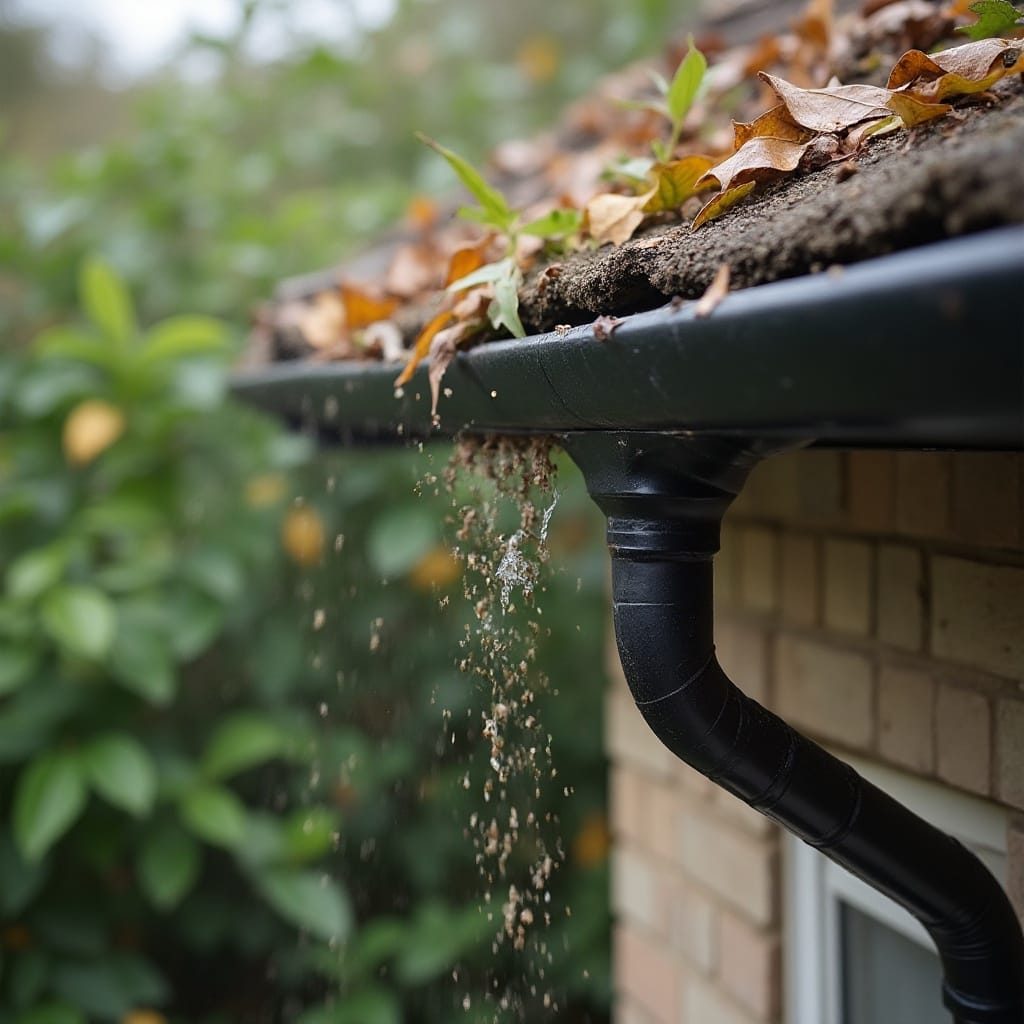
Gutter Cleaning
Gutter Cleaning
Gutter Cleaning: Clearing blocked gutters and downpipes to prevent water overflow, damp issues, and damage to walls or foundations. Read more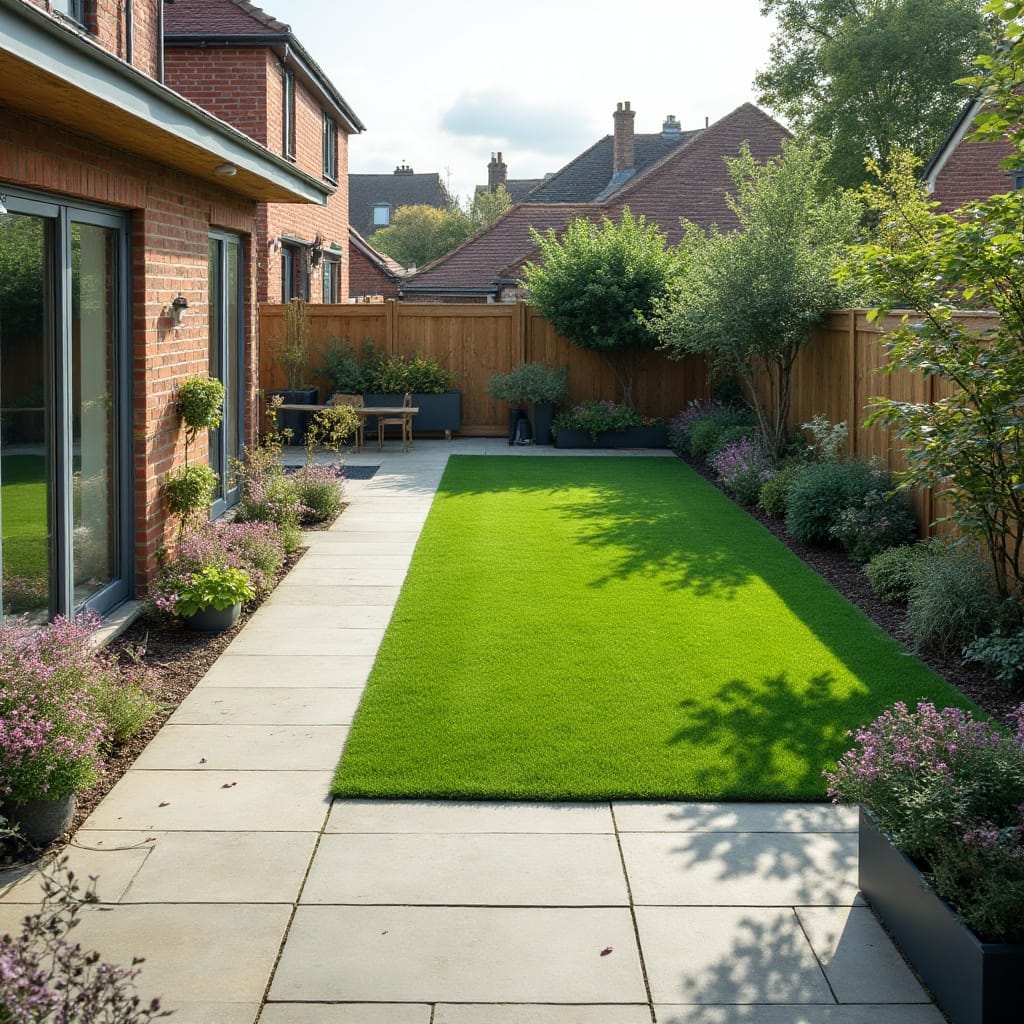
Landscaping
Landscaping
Landscaping: Reshaping and improving your garden layout with practical changes that make the space more usable, structured, and easier to maintain. Read more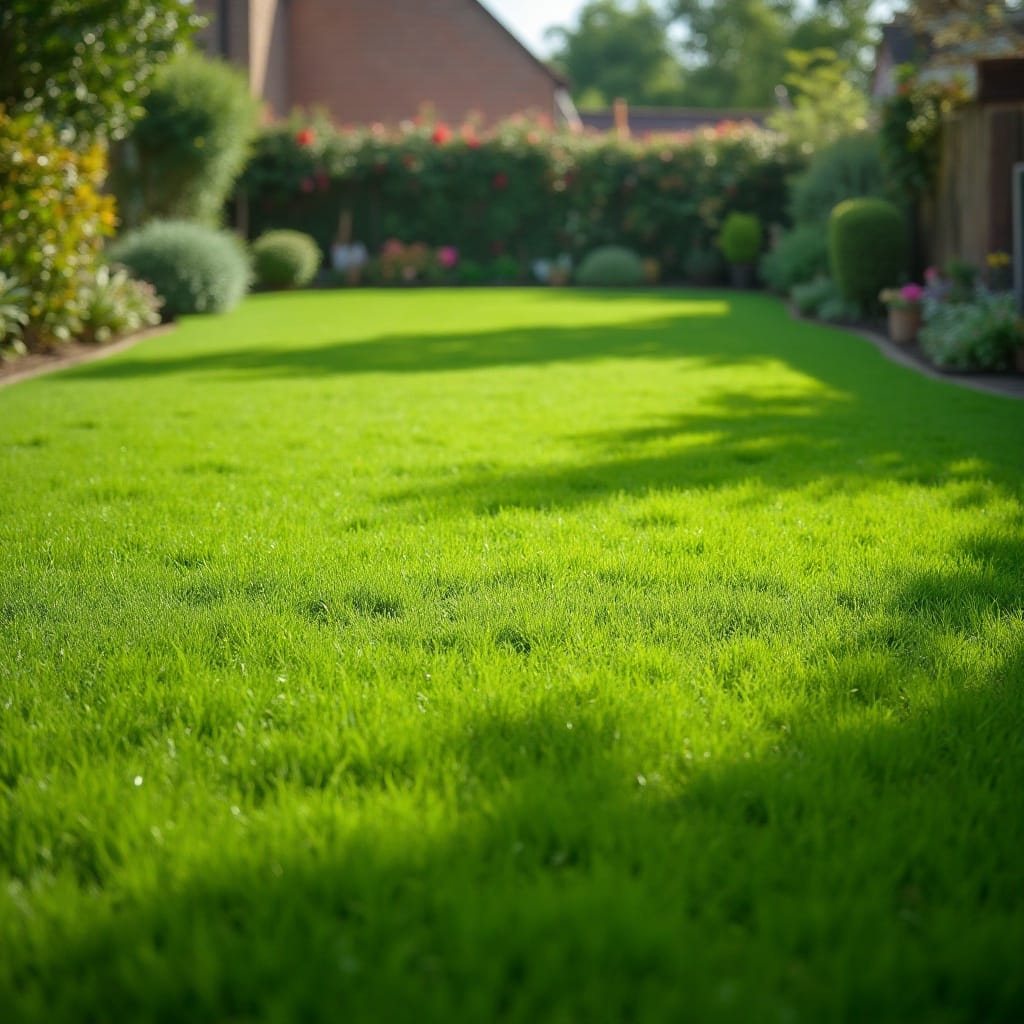
Lawn Care
Lawn Care
Lawn Care: Improving grass condition through proper mowing, feeding, and treatment to achieve thicker, healthier, and more even growth over time. Read more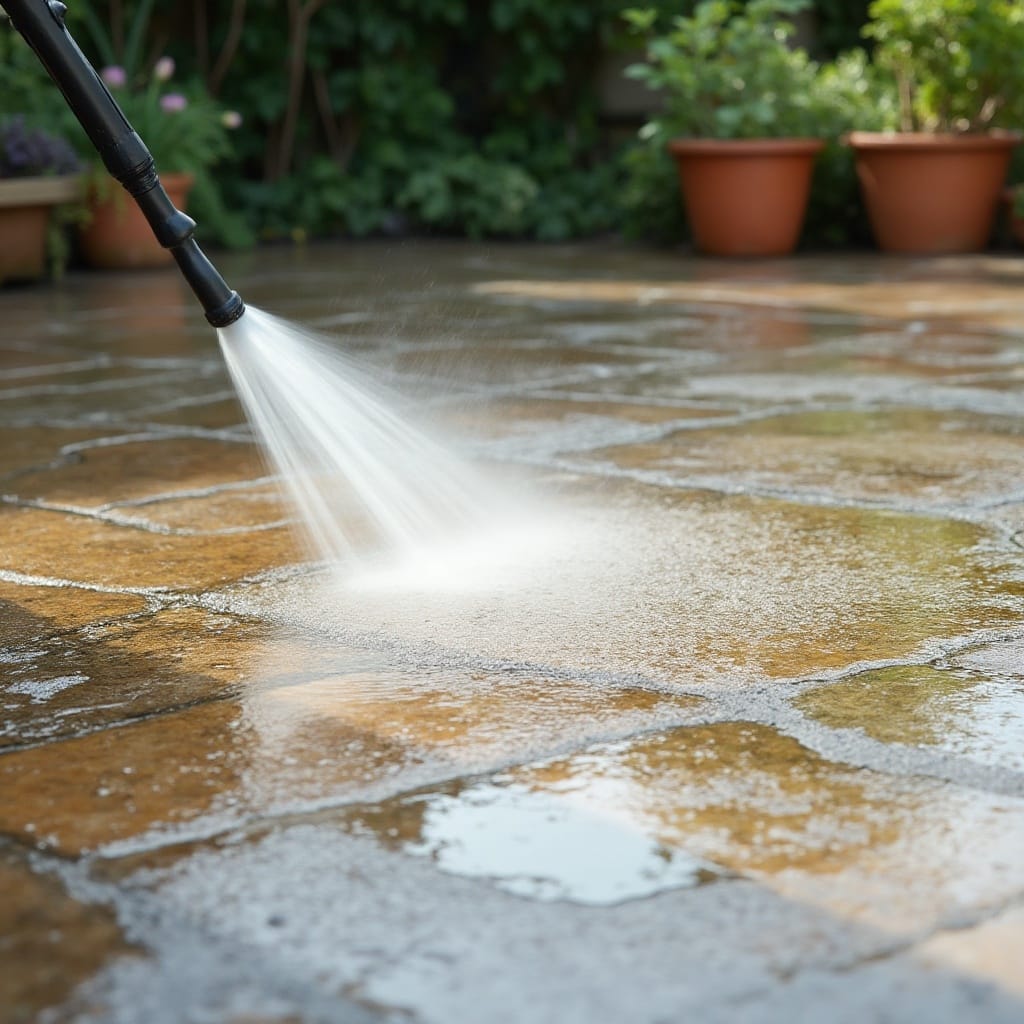
Pressure Cleaning
Pressure Cleaning
Pressure Cleaning: Removing built-up dirt, algae, and grime from patios, driveways, and outdoor surfaces to restore a clean and safe finish. Read more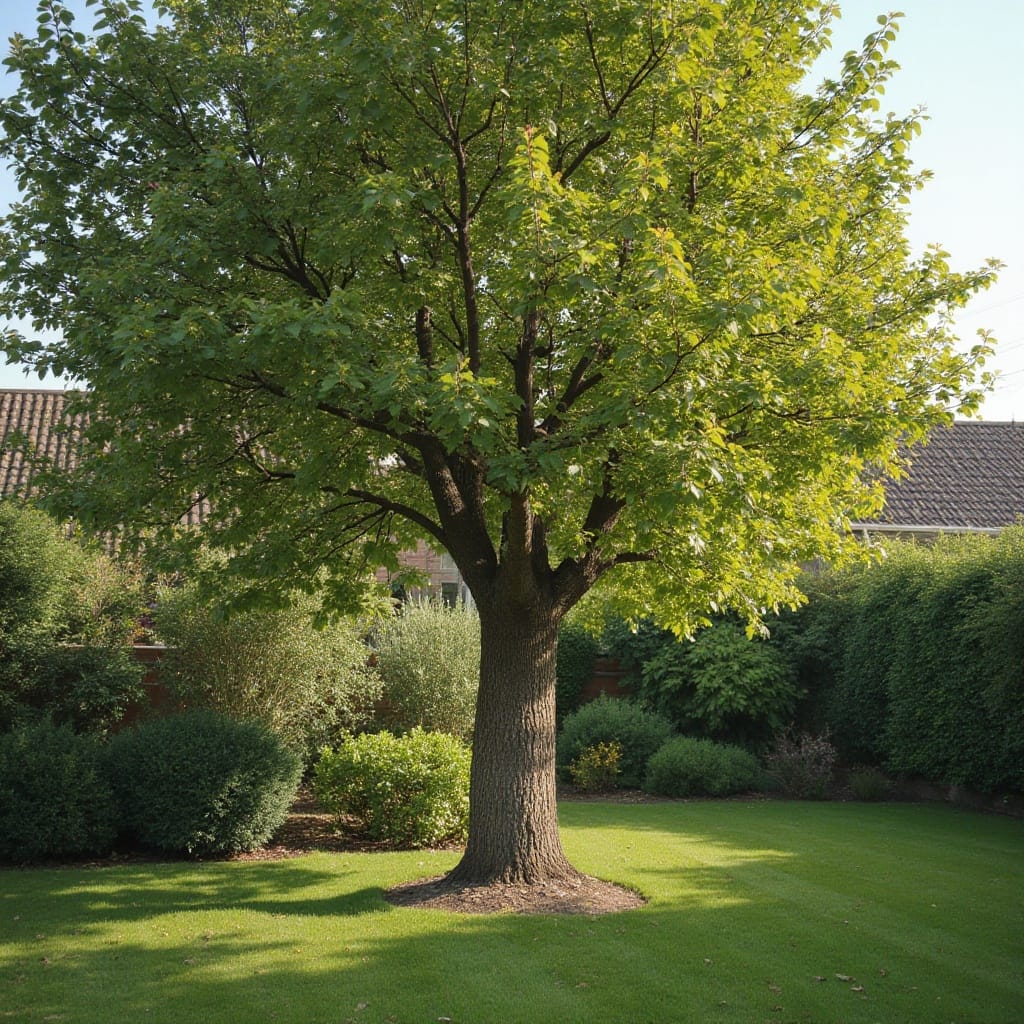
Tree Surgery
Tree Surgery
Tree Surgery: Safe cutting, pruning, and removal of trees to manage growth, reduce risk, and keep outdoor spaces secure and well-balanced. Read moreFind the Oxford Areas We Serve
Practical Landscaping Tips for Better Results
When planning landscaping in Oxford, one of the most important things is to think about how the garden will be used day to day, not just how it will look when finished. A layout that works in practice will always hold up better over time than one that only focuses on appearance.
Start with the basics — space and movement. Make sure there’s a clear path through the garden and enough room to use each area comfortably. In many Oxford gardens, especially narrower ones, poor layout is the main reason the space feels limited, even when there’s enough room.
Ground preparation is another key point. Whether you’re adding turf or paving, the base underneath makes the biggest difference. Skipping this step often leads to uneven surfaces, sinking areas, or poor grass growth later on. It’s one of the most common reasons landscaping doesn’t last as expected.
Think carefully about drainage. If water tends to collect in certain areas, simply covering it with new turf or slabs won’t solve the problem. Small adjustments to levels or adding drainage during the work can prevent ongoing issues.
Planting should also be done with growth in mind. It’s easy to place plants too close together when they’re small, but as they grow, they can overcrowd the space and require constant cutting back. Leaving enough room from the start reduces maintenance later.
A practical example from a job in Headington showed how these details matter. The original layout looked fine, but poor drainage and tight planting made it difficult to maintain. Once spacing and ground levels were adjusted, the garden became much easier to manage.
Finally, keep expectations realistic. Landscaping improves structure and usability, but it doesn’t remove the need for ongoing care. Regular maintenance is what keeps the space looking and working as intended.